
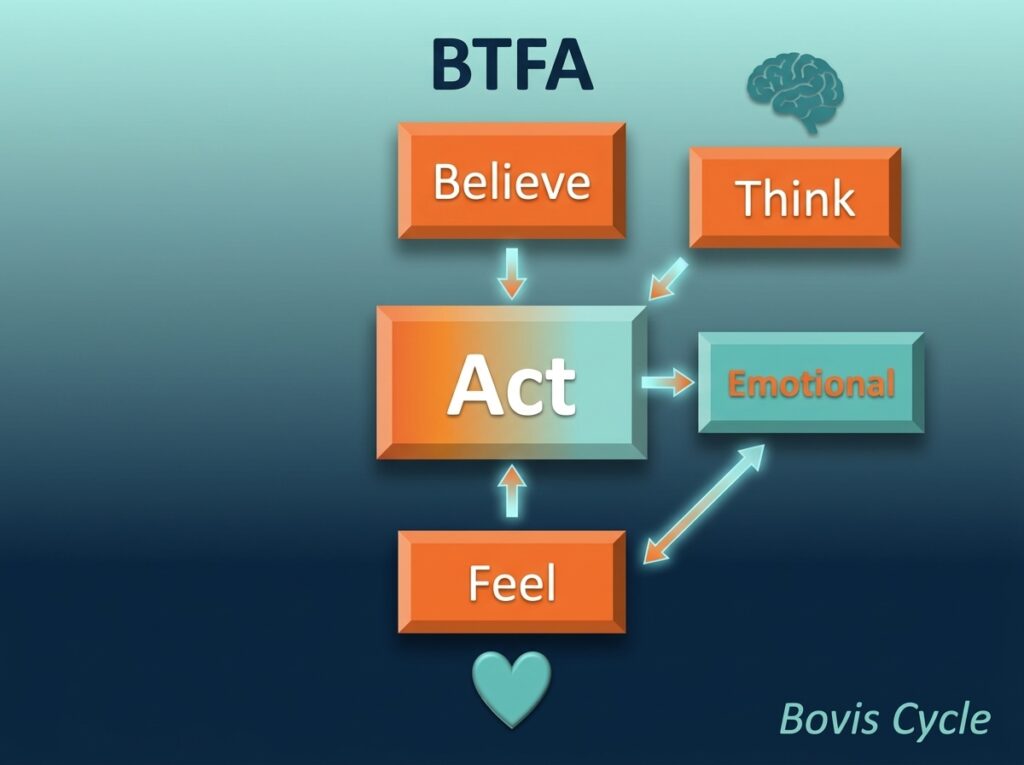
Most organisations overlook one crucial factor: how deeply beliefs shape leadership behaviour and results. The BTFA model reveals the neuroscience behind belief-driven performance and offers practical steps to shift culture and boost organisational performance. If you want to tackle change resistance and build a high-performance culture, understanding this link is essential. Read on to see how Duxinaroe’s BTFA Flagship Programme can guide your leadership behaviour change at scale.
Understanding the BTFA Model
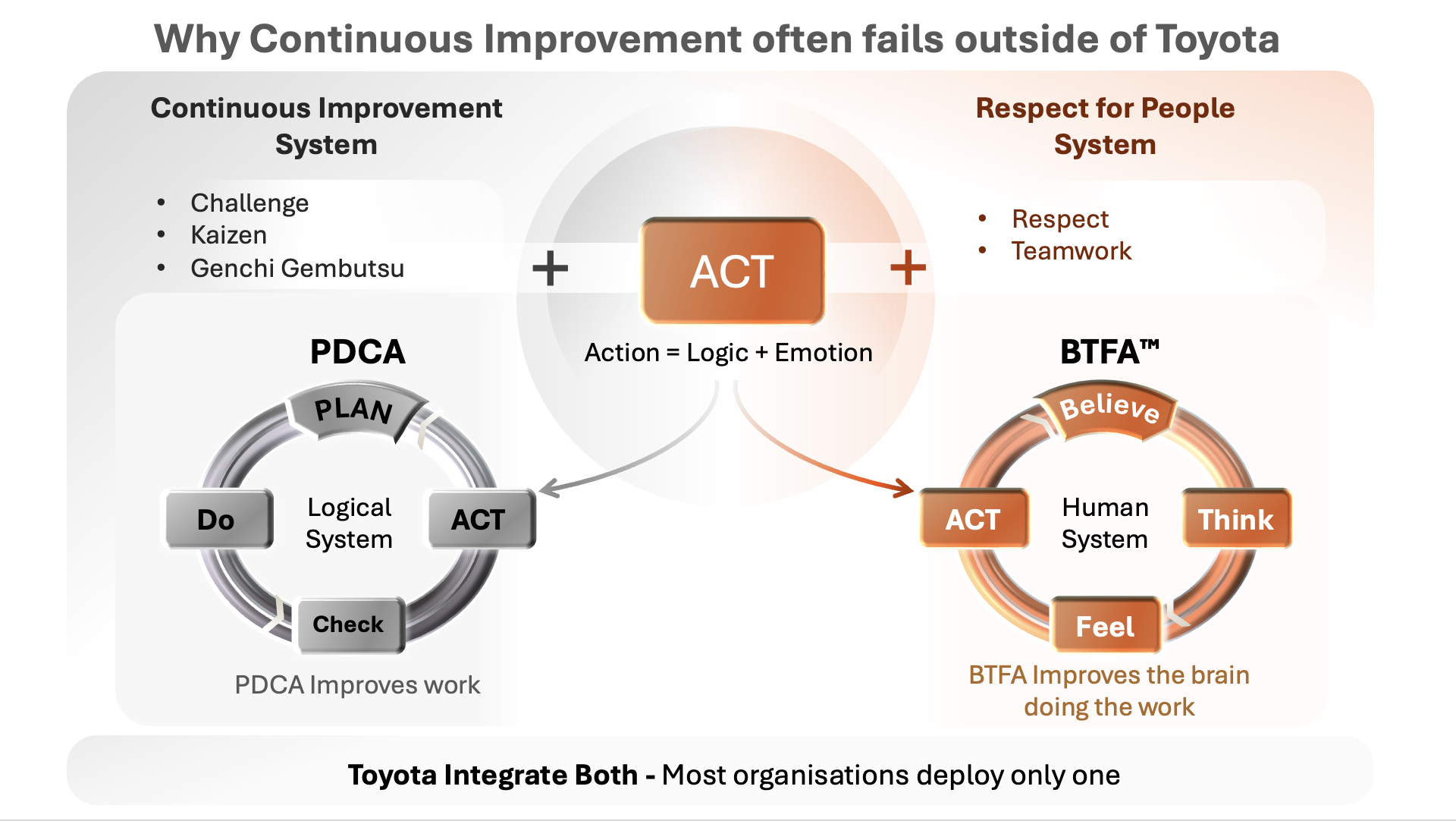
Beliefs are the unseen force steering an organisation’s course. To grasp their impact, we explore the BTFA model, which highlights how belief-driven actions propel performance.
Beliefs Drive Organisational Performance
Your beliefs shape how you lead. They dictate your decisions and actions, creating a ripple effect throughout the organisation. When leaders hold empowering beliefs, they foster environments where teams thrive. Consider a leader who believes in open communication. They likely encourage idea-sharing, leading to innovation and engagement. On the flip side, limiting beliefs can stifle progress. For instance, if a leader assumes that change is disruptive, they might resist new initiatives, slowing growth. The BTFA model helps leaders identify these beliefs, promoting a culture of continuous improvement. By aligning beliefs with organisational goals, leaders can drive substantial change. This alignment is pivotal in crafting a high-performance culture, where every action is purposeful and every decision is strategic.
Neuroscience in Leadership Change
Understanding the brain’s role in leadership change is crucial. Neuroscience sheds light on how thoughts and emotions guide leader behaviour. The brain is wired to favour familiar patterns. This preference can hinder change, as leaders might default to habitual behaviours. However, by understanding these patterns, leaders can rewire their approach. Neuroscience reveals that when leaders engage in self-reflection, they activate brain regions associated with self-awareness and empathy. This activation enhances decision-making and interpersonal skills, key traits for effective leadership. The BTFA model incorporates these insights, empowering leaders to overcome cognitive barriers. By incorporating neuroscience, leaders can make informed changes, boosting their own and their team’s performance.
Cognitive Bias and Culture Transformation
Cognitive biases influence how leaders perceive situations, often leading to skewed judgments. These biases can create roadblocks in cultural transformation efforts. For example, confirmation bias might cause leaders to favour information that aligns with their pre-existing beliefs, ignoring contrary evidence. Such biases can hinder objective decision-making, crucial for transformation. The BTFA model addresses these biases head-on. By fostering awareness, leaders learn to question assumptions and embrace diverse perspectives. This practice encourages a culture of inclusivity and adaptability. When leaders acknowledge and address biases, they pave the way for genuine culture transformation. This shift not only enhances organisational performance but also cultivates a resilient and dynamic workplace.
Practical Actions for Leaders

To translate belief-driven insights into tangible outcomes, leaders need practical strategies. Here’s how you can initiate effective change.
Leadership Behaviour Change Strategies
Changing leadership behaviour requires a structured approach. Start by identifying key areas that need improvement. Prioritise actions that align with your organisational goals. Begin with small, manageable changes to build momentum. For example, if you aim to enhance team collaboration, initiate regular brainstorming sessions. These sessions can foster open communication and idea-sharing. Monitor progress and adjust tactics as needed. Regular feedback is crucial for continuous improvement. Incorporate insights from team members to refine strategies. By making incremental changes, you create a sustainable path towards leadership excellence. Remember, change is a journey. Each step, no matter how small, contributes to long-term success.
Creating Psychological Safety
Psychological safety is the cornerstone of a thriving team culture. It ensures that team members feel safe to express ideas without fear of judgment. A leader can foster this environment by actively listening and valuing diverse opinions. Encourage open dialogue and acknowledge contributions. This practice not only enhances creativity but also builds trust. Implement regular check-ins to gauge team sentiments. Address concerns promptly to maintain a supportive atmosphere. When team members feel secure, they are more likely to engage fully and contribute meaningfully. By prioritising psychological safety, you lay the foundation for a resilient and collaborative team dynamic.
Handling Change Resistance
Resistance to change is natural, but it can be managed effectively. Start by communicating the benefits of change clearly and consistently. Highlight how new initiatives align with team and organisational goals. Engage team members in the change process. Involve them in decision-making to increase buy-in. Address concerns transparently and provide support throughout transitions. Consider creating small pilot projects to demonstrate the positive impact of changes. These projects can serve as proof of concept, reducing resistance. By acknowledging fears and providing clear pathways forward, you can transform resistance into enthusiasm. This proactive approach not only eases transitions but also fosters a culture open to innovation.
Duxinaroe: Your Partner in Excellence

Partnering with experts can accelerate your organisational transformation journey. Discover how Duxinaroe supports leaders in achieving excellence.
BTFA Flagship Programme Overview
The BTFA Flagship Programme is designed to equip leaders with the tools needed for impactful change. This comprehensive programme focuses on aligning beliefs with strategic actions to drive performance. It offers tailored solutions to address unique organisational challenges. Participants gain access to expert coaching that integrates neuroscience insights, enhancing leadership capabilities. The programme’s structure encourages continuous learning and adaptation. Through interactive sessions, leaders explore practical strategies for immediate application. By the end of the programme, participants are equipped to lead with confidence and clarity. This transformative journey not only enhances leadership skills but also boosts overall organisational effectiveness.
Neuroscience-Based Coaching Methods
Duxinaroe utilises neuroscience-based coaching methods to support leadership development. These methods are grounded in understanding how the brain processes information and drives behaviour. Coaches work closely with leaders to identify cognitive biases and develop strategies to overcome them. This personalised approach ensures that coaching is relevant and impactful. Leaders learn techniques to enhance emotional intelligence, decision-making, and interpersonal skills. By applying neuroscience principles, leaders can make informed adjustments to their leadership style, fostering a more cohesive and effective team environment. This scientific approach to coaching sets Duxinaroe apart, providing leaders with the tools needed for sustainable growth and success.
Benefits of Transformation Consulting
Duxinaroe’s transformation consulting services offer a distinct advantage in navigating organisational challenges. By focusing on belief-driven performance, these services provide tailored solutions that align with your strategic objectives. The consulting process involves a thorough analysis of current practices, identifying areas for improvement. This analysis is followed by the implementation of customised strategies that leverage neuroscience insights. The benefits are manifold: increased employee engagement, enhanced operational excellence, and a resilient organisational culture. By partnering with Duxinaroe, leaders gain access to expertise that transforms challenges into opportunities. This partnership not only addresses immediate needs but also sets the stage for long-term success and growth.
In conclusion, the BTFA model empowers leaders to navigate change with confidence, leveraging neuroscience insights for impactful transformation. By reshaping beliefs, fostering psychological safety, and addressing resistance, organisations can achieve lasting success. Duxinaroe stands ready to guide you on this transformative journey, offering expert support and tailored solutions to elevate your leadership and organisational performance.