

Forget everything you know about leadership and change. Most strategies miss how beliefs drive behaviour and culture at every level. The BTFA™ model (Believe-Think-Feel-Act) shifts this by applying neuroscience to reshape how leaders and teams perform. In this post, you’ll see how BTFA translates insight into impact across organisations, and why Duxinaroe’s approach delivers lasting transformation.
The BTFA Model Uncovered

The BTFA model is a game-changer in leadership, focusing on the connection between beliefs and actions. Let’s dive into how neuroscience shapes this approach.
Neuroscience Behind Believe Think Feel Act
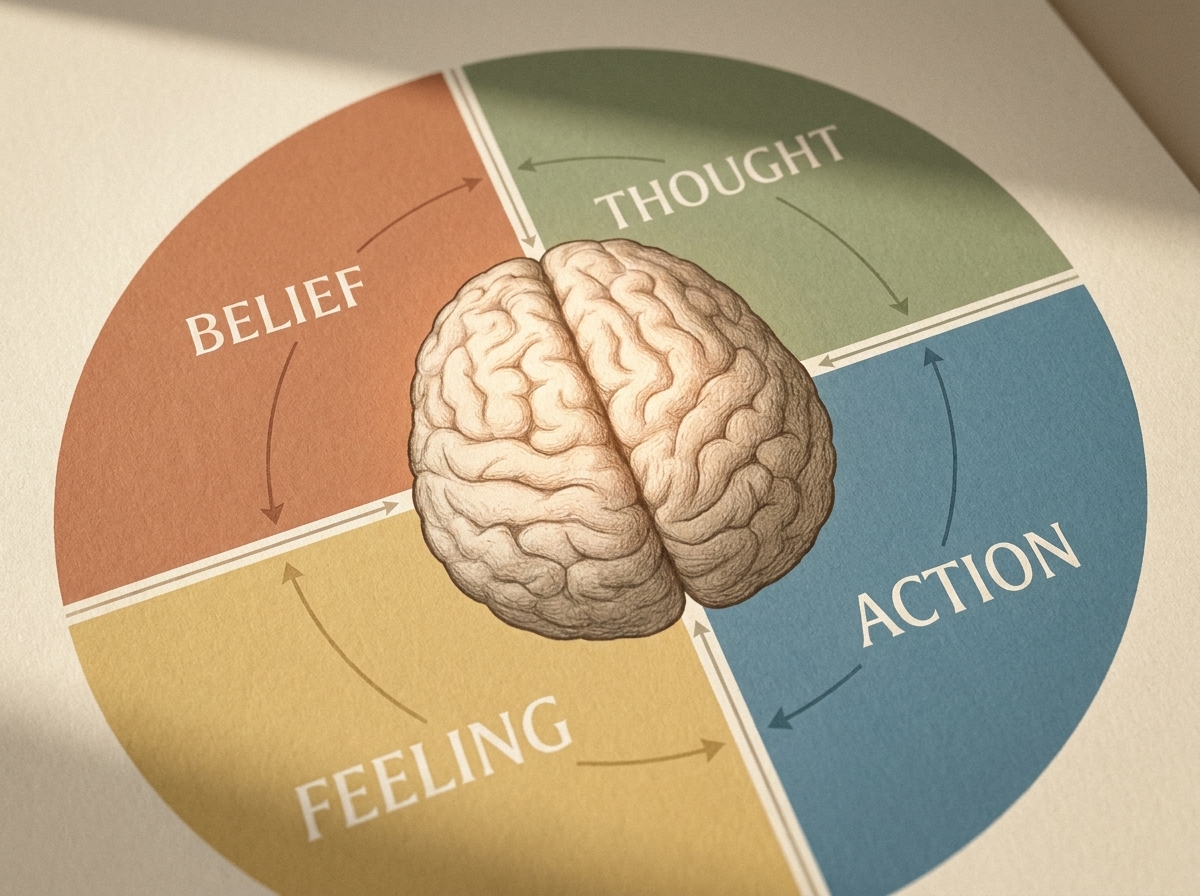
Have you ever wondered why some leaders seem to naturally inspire change? Understanding the brain removes the guesswork. Neuroscience shows us how actions can only be an output of our brain wiring, firing. The BTFA model uses this insight to drive effective change. By aligning what leaders believe (wiring), think (firing), and feel (chemicals), actions and attitudes (output) become more purposeful and impactful.
Think of it like this: our brains are wired to seek patterns. When beliefs and thoughts align, our actions become more consistent. This consistency is what drives lasting change. The BTFA model doesn’t just scratch the surface; it digs deep into the core of human behaviour, offering a fresh perspective on leadership transformation. This isn’t just theory – it’s science in action – with a fantastic track record of efficacy in application.
Leadership Transformation Through BTFA
Leadership isn’t just about making decisions; it’s about influencing change. The BTFA model offers a blueprint for transforming how leaders operate. By focusing on belief-driven actions, leaders can inspire teams more effectively.
Consider a leader who believes in open communication. This belief influences their thinking and feeling, encouraging transparent actions. As a result, the team feels valued and engaged. It’s a ripple effect: one change in belief can transform an entire organisation. The BTFA model provides the tools to make these transformations happen smoothly.
Overcoming Change Resistance
Change is often met with resistance, but the BTFA model provides a solution. By addressing the root cause of resistance (unexamined beliefs) we can pave the way for smoother transitions.
Imagine an organisation struggling with change. By applying the BTFA model, leaders can identify and address the beliefs causing resistance. This proactive approach not only reduces pushback but also fosters a culture of openness. When teams understand the ‘why’ behind changes, they are more likely to embrace them.
Practical Application of BTFA

Understanding the BTFA model is one thing, but applying it effectively is another. Let’s explore how this model can drive change at different levels within organisations.
Individual Behaviour Change in Organisations
Changing individual behaviour is the first step in cultural transformation. The BTFA model provides a clear path for personal growth. By believing in one’s potential as a biological certainty, individuals can accept themselves, think positively, feel motivated, and act with purpose.
Consider an employee struggling with self-doubt. Through the BTFA model, they can reshape their beliefs, resulting in more confident decision-making. This shift not only benefits the individual but also enhances overall workplace dynamics. When individuals change, organisations change.
Team Dynamics and High-Performance Culture
Teams are the backbone of any organisation. The BTFA model enhances team dynamics by promoting belief-driven collaboration. When team members share common beliefs, they are more likely to work cohesively.
Picture a team with diverse opinions. By focusing on shared beliefs, the BTFA model ensures that every voice is heard and valued. This creates a high-performance culture where innovation thrives. Teams become more agile, adapting quickly to challenges and seizing opportunities.
Organisational Culture Change and Operational Excellence
For organisations, culture is the glue that holds everything together. The BTFA model reshapes organisational culture, aligning it with strategic goals. By focusing on belief-driven actions, organisations can achieve operational excellence.
Imagine an organisation aiming to improve efficiency. By applying the BTFA model, it can align employee beliefs with operational goals. This alignment leads to more streamlined processes and better outcomes. The result is a culture that not only supports but also amplifies organisational success.
Duxinaroe’s Role in Leadership Development
Duxinaroe plays a pivotal role in leadership development, offering tailored solutions that integrate the BTFA model. Let’s explore how Duxinaroe supports leaders and organisations.
Tailored Leadership Training Programme
Duxinaroe offers leadership training that suits all levels, focusing on the unique needs of each organisation. Making the BTFA model foundational ensures programmes drive meaningful change. Leaders learn to harness the power of belief-driven actions, leading to more effective decision-making and improved team dynamics.
Executive Coaching and HR Development Strategy
Duxinaroe’s executive coaching and HR development strategies are transforming leadership landscapes. By focusing on neuroscience-based leadership, these programmes enhance strategic thinking and employee engagement. The result is a more dynamic and responsive leadership team able to move the needle on critical KPIs.
Creating Psychological Safety at Work and Employee Engagement
Creating a safe and engaging workplace is crucial for success. Duxinaroe’s approach ensures that employees feel valued and understood. By focusing on psychological safety, the BTFA model fosters an environment where innovation and collaboration thrive.
In conclusion, the BTFA model is not just a tool; it’s a transformative approach to leadership and organisational change. By embracing this model, leaders can drive lasting impact, reshaping how their organisations operate and thrive.